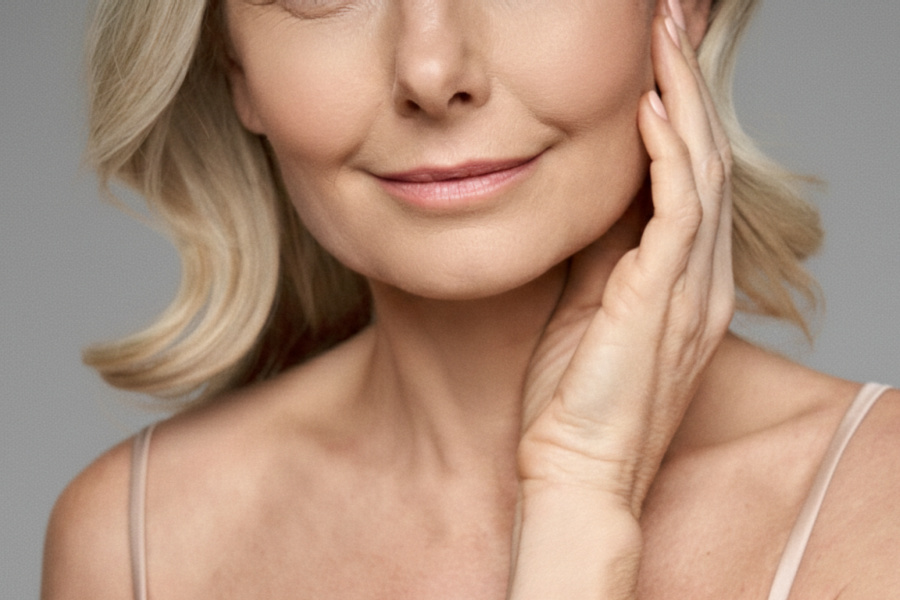
Fat grafting, or fat transfer, is a cosmetic procedure that uses your own fat to restore volume, smooth wrinkles, and enhance contours in the face and body. It provides a natural, long-lasting way to rejuvenate and reshape areas that have lost fullness.

Fat grafting, also known as fat transfer surgery, is a cosmetic procedure that uses your own fat cells to restore volume and improve contours in different areas of the body.
As we age, some areas of the face and body may lose fullness, and fat grafting provides a natural way to rejuvenate them.
This procedure can plump sunken cheeks, smooth wrinkles, minimise facial scars, correct facial deformities, and enhance body areas such as the bust or buttocks.
Fat is harvested from areas of the body with excess fat and carefully transferred to the target area for a more balanced and youthful appearance.
Fat grafting offers a natural and effective alternative to synthetic implants or fillers, using your own body’s fat to enhance and rejuvenate targeted areas. Many patients choose this method for its safety and long-lasting results.
By harnessing your body’s own tissue, fat transfer not only restores volume but also promotes a healthier, more youthful appearance.
Fat grafting surgery starts from £3,290. This all-inclusive price includes your initial consultation, the procedure itself, and all post-operative care and follow-up appointments. Final costs may vary depending on the areas being treated and your individual needs, with full pricing and options discussed in detail during your consultation.
.jpg)
Fat transfer surgery is performed under local or general anaesthetic, depending on the treatment area. Your surgeon will gently remove fat cells from a donor site using a thin cannula and carefully inject them into the area being enhanced. After the procedure, a dressing may be applied to support the treated area and aid healing.
Going Home
Fat transfer surgery is typically performed as a day case, so you should be able to go home the same day. Arrange for someone to drive you home, and follow your surgeon’s instructions regarding antibiotics, pain relief, and care of the treated area. Some swelling, bruising, or firmness is normal for the first week and can persist for several weeks.
Follow-Up Appointment
Your surgeon will schedule a follow-up appointment 7–10 days after surgery to check your healing and remove any sutures if necessary. Full results may take up to six months to appear, as the body may reabsorb some of the transferred fat. In some cases, a repeat procedure may be needed to achieve the desired volume.
Activities
Avoid strenuous activities or heavy lifting for the first few weeks, but light walking is encouraged to reduce the risk of blood clots. Protect the treated area from pressure, trauma, or excessive facial movements while it heals.
Potential Complications
Possible complications include pain, infection, scarring, bleeding under the skin, numbness, or excessive fat resorption. Following your surgeon’s instructions carefully helps ensure proper healing and optimal results.
Leading Consultant Plastic Surgeons


Mr Andrej Salibi is a fully qualified and accredited Consultant Plastic, Reconstructive and Aesthetic Surgeon.
He has previously worked in the National Health Service (NHS) as a Consultant Plastic and Reconstructive Surgeon.
He provides all aspects of plastic, reconstructive and aesthetic surgery from his practices in London and Birmingham.
Miss Maria Chasapi is a fully accredited UK trained Plastic, Reconstructive and Aesthetic Surgeon.
Following the completion of her training within the North West Deanery she was awarded the FRCS(Plast) and entered the GMC Specialist Register for Plastic Surgery.
She provides the whole spectrum of plastic, reconstructive and aesthetic surgery in London, Birmingham and Manchester.
Everything you need to know about fat grafting surgery
What is fat grafting?
Fat grafting, also known as fat transfer, is a cosmetic procedure that uses your own body fat to restore volume or enhance areas such as the face, hands, breasts, or buttocks. It’s a natural alternative to synthetic fillers or implants.
How is fat transfer surgery performed?
During the procedure, fat is harvested from areas with excess fat using a thin cannula, purified, and then injected into the target area to restore volume and improve contours.
Who is a good candidate for fat grafting?
Ideal candidates have areas of volume loss, are in good overall health, and have enough donor fat to transfer. Patients seeking natural, long-lasting results prefer this method over synthetic implants.
How long does fat grafting take?
The procedure usually lasts between 1 and 3 hours depending on the area treated. Most surgeries are done as a day case, allowing patients to go home the same day.
What is the recovery time after fat transfer?
Swelling and bruising can last 1–2 weeks, and light activities can usually resume after a few days. Full results may take up to six months, as the body gradually absorbs some fat cells.
Are the results of fat grafting permanent?
Transferred fat that survives the initial weeks after surgery is usually permanent. However, some resorption can occur, and additional procedures may be needed for optimal volume.
Are there any risks or complications?
Possible risks include infection, scarring, bleeding under the skin, numbness, or uneven fat retention. Following your surgeon’s aftercare instructions minimizes these risks.
Can fat grafting be combined with other procedures?
Yes, fat transfer can be combined with facelifts, breast augmentation, or body contouring procedures to enhance overall results and create a more balanced, rejuvenated appearance.
Real, verified reviews
Personalised care in London, Birmingham & Manchester


.webp)